

Crain Buick GMC of Springdale

Blog / Buick GMC Springdale

Blog

All Buick GMC Springdale Crain Buick GMC of Springdale Crain Buick GMC of Springdale Service Crain Springdale GMC Service Crain Buick GMC Finance Springdale Car Service Springdale New Cars Springdale Buick Service Springdale GMC Service GMC Safety Features Springdale Car Financing Buick Safety Features New Buick New GMC Springdale Auto Maintenance GMC Maintenance Tips Buick Maintenance Tips Springdale GMC Hummer Springdale Used Cars Used
89f5f9ab-738e-4410-b01f-5a106eb253f3

When Was the Last Time Your GMC or Buick Had a Safety Inspection?

Routine car inspections are the only way to ensure your safety behind the wheel of your Buick or GMC. Regular inspections from the certified technicians at your Buick dealer will ensure that minor issues are detected early, repaired expertly, and ensure your Buick Encore or GMC Terrain always performs optimally. When Was the Last Time Your GMC or Buick Had a Car Inspection From Your Buick Dealer? Inspection Intervals Every Buick or GMC model comes with a service schedule and factory-recommended maintenance intervals when specific inspections must be performed to keep your vehicle in tip-top running condition. Generally, the factory recommends that you take your car for an inspection at least once a year to keep your vehicle reliable, fuel-efficient, and safe on the road. Check your vehicle's owner's manual for your specific model's recommended maintenance intervals and inspection requirements. Factors That Influence Inspection Intervals How often your car will need an inspection depends on the model, year, and engine of the vehicle you drive and your driving habits, and the conditions under which you operate your vehicle. How you drive your car, the roads you use, the traffic conditions, and the climate also affect how often your car will need comprehensive inspections and safety checks. Talk to the technician at your dealer to help you find the best maintenance schedule for your model and driving conditions to ensure safety and optimal vehicle performance. Comprehensive Vehicle Inspections Every time you take your vehicle to your dealer for recommended maintenance, the technicians comprehensively inspect every vehicle system and component. The checks include thorough windshield, light, steering, suspension, brake, and tire inspections to the manufacturer's recommended specifications and adhere to the U.S. safety standards. The Importance of Routine Inspections Routine inspections from the certified technicians at your dealer are crucial to ensure your vehicle is safe on the road. The technicians are factory-trained, know your car inside and out, and precisely what is required to keep it performing at its best. During an inspection, minor issues will be detected early on and repaired timeously before the problem escalates and leave you stranded on the side of the road. With routine inspections, you will have the assurance that your car is safe and will get you where you need to go. The Benefits of Inspections Your vehicle will be reliable when you take your car to your dealer for routine inspections. You will save money on fuel and avoid unexpected and costly repairs. When your engine runs smoothly, your vehicle will last longer, and you will enjoy every mile behind the wheel. When it comes to your safety, rely on the certified technicians at your dealer for complete peace of mind. Call Crain Buick GMC of Springdale today to schedule an inspection and ensure that you are safe behind the wheel and that your Buick or GMC is running perfectly.


car-368636_960_720

Time for New Headlights? Visit Your GMC Dealer Today!

When you're driving in low visibility conditions like night or fog, you need to be able to see the road ahead. Driving down a dark road at night without lights is risky and could cause an accident. If you need new headlights, your GMC dealer can fit them. These are a few signs that you have headlight problems. Time for New Headlights? Visit Your GMC Dealer Today! Worn Bulbs One of the most common reasons for headlight failure is worn bulbs. Headlight bulbs, like any other bulb, have a limited life and will eventually fail. Depending on the type of bulbs in your car, they will last from 500 hours to 30,000 hours before they need replacement. This might not sound like a long time, but headlights are only used for a limited time each day. Bulbs that are failing due to age will usually show warning signs like dimming or flickering. If you start seeing signs that your bulbs could be failing, we can quickly and easily fit their replacements. If only one bulb is malfunctioning, we advise replacing both of them. Headlight bulbs are installed in pairs, and if one is failing, the other will fail in a few days. Blown Fuses and Damaged Relays Your headlights have fuses like all the other electrical components in your car. Fuses protect their attached component by automatically blowing to prevent a short or power surge from damaging the component. Your headlight bulbs can fail due to a worn fuse. Our technicians will test your fuses and replace any blown ones. Relays are tiny alternators that turn the low electrical current into a high electrical current. Your GMC has three sets of relays, one for the high beams, the second for the low beams, and the third controls your car's running lights. When you turn on the high beams, for example, your computer sends a message to the high beam relay to switch it on. A failed relay will prevent the lights connected to it from working. We can test and replace a damaged relay. Corroded Sockets Your headlights and their electrical connections are protected against the elements by clear plastic lenses. These lenses prevent water, dirt, and contaminants from damaging bulb sockets or wiring. The lenses, however, can become damaged by grit, or other hard material thrown up from the surface. It only takes a small crack, and rain can leak into the headlight recess. Water can quickly corrode bulb sockets and cause the bulbs to blow. It can also cause electrical shorting in the wiring. Our technicians can replace the damaged parts and install new lenses to fix this problem. If your headlights aren't working correctly, call us right away at Crain Buick GMC of Springdale. Image via pixabay.com by wilkernet

488bf616-c77a-4037-afd1-33ad141fccd5

Is It Time to Replace Your Car's Brake Pads?

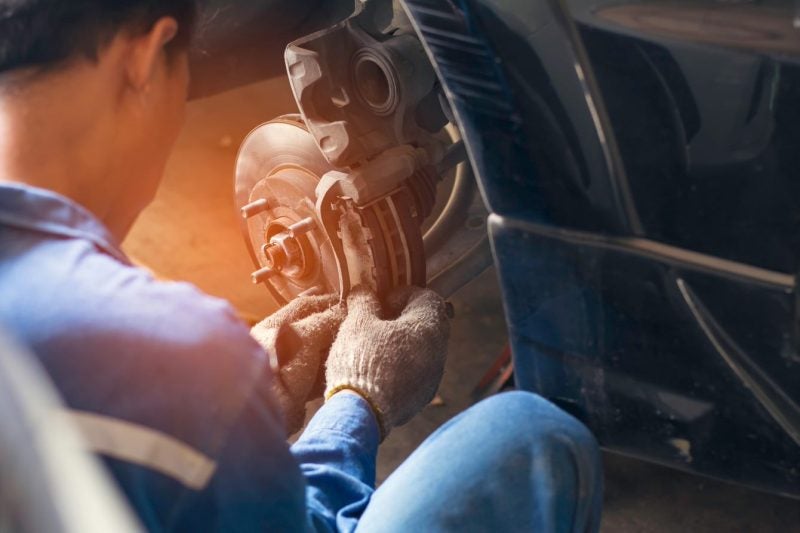
Brake pads are an important part of your braking system. They fit into the brake calipers, and they provide the friction that slows and stops your car. The pads wear out as they work, and they'll need to be replaced in time. As your Buick dealer and GMC dealer, we can fit the replacements for you. These are a few of the signs that your pads need to be changed. Signs You Need New Brake Pads From Your Buick Dealer and GMC Dealer Your Pads Screech Screeching pads is a sign that they've worn down and need to be replaced. The pads are covered with a layer of friction material which increases your braking speed. When you hit the brakes, the friction material is pushed against the smooth surface of the rotors. The reaction between these materials brings your car to a controlled stop. The material covering is 1/2" thick when it's new. It will slowly wear each time you use the brakes. When the pads have worn down and need replacement, you'll hear screeching from each worn pad. The screeching sound is generated by a metal spike in the pad that scratches the metal rotor surface. Pulling to One Side If your car pulls to one side when you use the brakes, it means that the brake on one side doesn't engage. This form of brake failure can be caused by a jammed caliper or a brake fluid problem. It can also be caused by worn pads. As we've seen, the pads generate friction against the wheel rotors to stop your car. If the pad on side of your car has more wear than the others, this pad might engage later than the others. This will cause your car to pull to the opposite side before it straightens out. A stuck caliper on one side can also keep a pad in constant contact with the rotor. This contact will smooth the surface of the pad and make it more difficult for the pad to work correctly. Vibrations When You Brake If you're experiencing vibrations each time you use the brakes, this is a sign that your brakes need to be checked. The most likely cause of the vibrations is damage to the wheel rotors. When you brake, your pads and rotors can heat up. The friction material covering is attached to the pads by a strong adhesive. This adhesive can liquify due to the heat. Liquid adhesive can be spread across the rotor. The adhesive will dry quickly, but it can spread unevenly. The uneven surface of the rotor will cause vibrations when you brake. We can quickly replace your pads, and braking will dramatically improve. Call us today at Crain Buick GMC of Springdale.

vehicle-3872550_960_720

Car AC Not Working? Visit Your GMC Dealer Today

You rely on the aircon in your car to keep the air in the cabin cool, dry, and comfortable, but it's easy to take it for granted until it stops working well. With the car AC not working, a warm and humid Arkansas summer's day can quickly become an ordeal, so it's worth staying alert to the signs that it's struggling. Here are some of the ways you can tell that it might be time to schedule an appointment with your GMC dealer and give the AC some TLC. Car AC Not Working? Visit Your GMC Dealer Today Look Keep your eyes open for any water dripping from the dashboard, or water marks on the floor, as these are a sign that the exit pipe is blocked. It can damage your car if left untended, so schedule a service to unclog the system. Smell Problems with your aircon will often manifest as a bad smell in the cabin. Watch out for the following odors: Musty Sometimes mold can grow in the air conditioning, especially if your vehicle is older, and will result in a mildewy smell coming through the vents. If the air filters need changing, this can also lead to the buildup of bacteria and cause a musty smell. As well as making your drive unpleasant, this is bad for your respiratory health, so it's important to get the system cleaned out. Chemical If coolant is leaking somewhere in the system, it can blow a chemical scent into the cabin or sometimes a syrupy sweet odor. Burning Obviously, any burning smell should be investigated immediately, but it might be a problem with the aircon compressor. If it's broken so that the belt can't turn smoothly, it will generate a burning odor, either from the belt or the unit itself. Feel If the air blowing from the vents is warm, or if it starts cool and quickly becomes warm, then your AC unit needs some attention. While it might require in-depth diagnosis, it could be a simple matter of refreshing the coolant levels. It should keep the air dry as well as cool, so if the cabin feels stuffy or muggy, there could be a problem with the humidity regulation. Listen Keep your ears open for a grinding, whistling, whining, or rattling noise coming from the aircon unit, as this is another sign that the unit needs service. Of course, if the air conditioning won't turn on, or turn off, then it will also need attention. Even if it doesn't lead to more expensive problems, it's not worth letting it spoil your driving experience. So if you notice any of these symptoms, contact us at Crain Buick GMC of Springdale so that our trained technicians can locate and solve the issue. Image via Pixabay.com by ninofficialphotopraphy

22 acadia

Your Complete Guide to the 2022 GMC Acadia

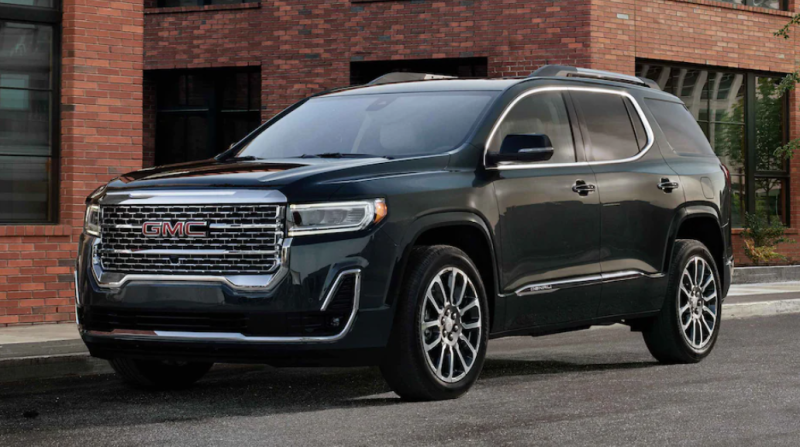
The 2022 GMC Acadia is a mid-sized SUV. Whether drivers are looking for just a comfortable driving experience, total luxury, or an all-weather vehicle, the Acadia accommodates any driving experience. It offers comfortable seating for six and four flexible models for any driving experience. Basics About the 2022 GMC Acadia The Acadia is a crossover SUV created by the General Motors Corporation. It debuted in 2007 and received its latest facelift in 2020. GMC introduced a new exterior styling including a new grille design. The infotainment system was updated to include Apple CarPlay and Android smartphones. The engine was redesigned to offer drivers a 4-cylinder or 6-cylinder option. New/Unique Features Drivers may adventure confidently onto the road with advanced performance features like adaptive ride control and a traction select system. An 8-inch infotainment system offering a navigation system is standard on all models. The aluminum wheels have been updated, and depending on the vehicle, come in 17-to-20-inch sizes. Features like built-in Alexa and a rear mirror driver camera offer the perfect blend of safety and technology. Models Available For 2022, GMC dropped the SL model and made the SLE model the standard. There are currently four models available: the SLE, SLT, AT4, and the Denali. Standard features for all Acadia models include three rows of seating and rear cross-traffic alert. The cabin is spacious and offers plenty of options for drivers to arrange storage and seating according to their needs. Leather seating is available on all models. The ultimate Acadia is available with the Elevation Edition. It includes black wall tires, black trims and grille, and painted gloss black wheels. Flexible Interior In addition to three rows of seating, the Smart Slide for the second row makes it easy to access the third-row seating. It is easy to create extra cargo space because of the third-row split seating. The second row also offers a side tip option allowing the seats to easily tip forward even when a child car seat is in place. Engine Capacity GMC eliminated the 2.5L engine and offers a 2.0L turbocharged 4-cylinder standard in the SLE and SLT models. It is an optional offering in the Denali. A 3.6L V-6 is available in the AT4 and Denali. For those who need AWD, it is offered in the AT4. Safety Features GMC Pro Safety Plus is a safety package GMC offers with all Acadia models. It includes features like collision alert, following distance locator, and automatic emergency braking. The GMC Acadia is the perfect vehicle for anyone looking for safety, comfort, and a sleek appearance all rolled into one vehicle. To plan your next adventure, visit Crain Buick GMC of Springdale to search for the best model to suit your driving needs.

blog1-_Ways_to_Tell_When_Your_Car_Is_Having_Transmission_Problems_637622833616083733

5 Benefits of Getting Routine Transmission Service

The transmission in your GMC Terrain, Sierra, or Acadia has many components that work together to move the power from the engine to the wheels. A transmission service from the certified technicians at your GMC dealer will improve your vehicle's performance and save you loads of cash on gas and repairs. 5 Benefits of Getting Routine Transmission Service at Your GMC Dealer 1. Your Vehicle Will Run Smoothly and Last Longer Regular transmission inspections and services ensure that your vehicle's transmission is always perfect. When you take your car for services at the recommended maintenance intervals, the GMC technician will thoroughly inspect every transmission component, check the mountings and the seals, and look for leaks. The components will be well-lubricated, and your car will run smoothly and stays on the road for longer. The transmission fluid will also be checked and topped off or changed if needed. Look in your vehicle's owner's manual for the transmission inspections and transmission fluid replacement intervals, or ask your GMC technician for information. 2. Your Transmission Will Be Protected A transmission replacement is costly, and that is why regular services and transmission fluid replacements are so important. Transmission fluid lubricates the moving components to minimize friction that causes heat and ultimately wears down parts. Over time transmission fluid becomes old and dirty and loses its protective qualities. When the fluid is contaminated, it can't perform the task of lubricating and cooling the moving components, directly affecting your vehicle's engine performance. Changing the transmission fluid reduces friction, ensuring the smooth running of all the parts. 3. Your Gears Will Function Properly When transmission fluid is old and contaminated, it overheats and turns into a thick sludge. The gooey substance prevents the components from moving smoothly, clogs the gears, and causes friction. When the transmission fluid isn't lubricating and cooling the parts, you will struggle to shift gears and even hear awful noises from the damage being done. Changing the transmission fluid at the recommended intervals will ensure that the components are well lubricated, running smoothly, and reduce friction, heat, and wear. 4. You'll Spend Less on Gas When your vehicle's transmission is in good working order and running smoothly, you will save money at the gas pump. All you have to do to save cash on gas is stick to your car's factory-recommended service intervals and ask your GMC technician to perform regular transmission inspections and transmission fluid replacements. If your vehicle's transmission is well-maintained, there will be less strain on components, and the engine will perform at its best. When your engine is running well, your car will use less oil, and you will not spend as much cash on gas. 5. You'll Save Money on Repairs Your transmission has many moving parts, and when one fails or breaks, you will have to pay high repair costs or even fork out a heap of cash on a transmission replacement. When you take your car for regular services, the GMC technician will spot minor problems early on and repair them before more damage occurs, which could lead to expensive repairs or even a transmission replacement. With regular services from a qualified GMC technician at your dealership, your GMC will run at its best, and you will prevent unexpected breakdowns and repairs, saving you heaps of cash. Ask the GMC technician at your dealership to service your vehicle to ensure your transmission is in perfect working condition to save money on gas, reduce wear, and avoid expensive repairs and replacements. Contact Crain Buick GMC of Springdale today for a service and reap a whole lot of great benefits.

gmc sierra 3500

Meet the 2022 GMC Sierra 3500

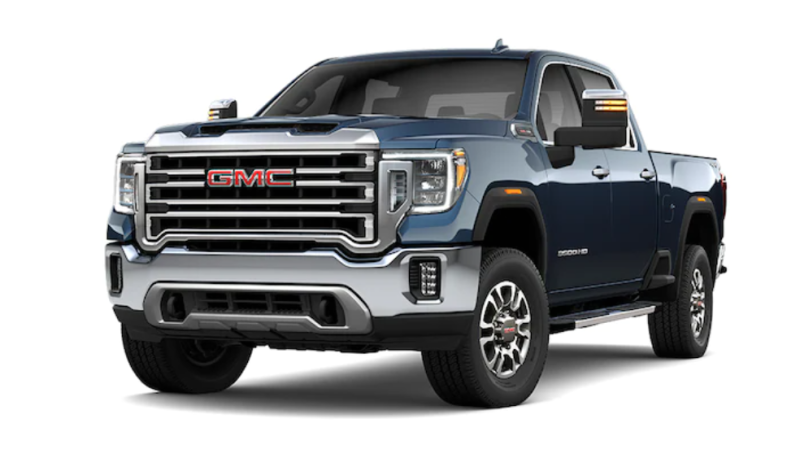
Dare to be different with the 2022 GMC Sierra 3500. This heavy-duty truck boasts lots to love, including powerful engine options, impressive towing abilities, and a jaw-dropping exterior and interior. Read on to understand why this should be your next truck. Meet the 2022 GMC Sierra 3500 1. Exterior Qualities The base Sierra 3500 is available in regular, double, or crew cab categories. It features 18-inch steel wheels, LED lights, and manually adjustable towing mirrors. The black side bed step pads help provide secure footing, and the power sunroof opens above the first row at a single push of a button. High-end models come with 18- or 20-inch alloy wheels, power-adjustable trail mirrors, and cargo bed lighting. The newest GMC Sierra 3500 comes in five trim options; Pro, SLE, SLT, AT4, and Denali. It also comes in several exterior color paint options, including cardinal red, onyx black, summit white, hunter metallic, and pacific blue metallic. 2. Performance Under the hood, the new Sierra 3500 provides a 6.6-liter naturally aspirated V8 that cranks 401 horsepower and 464 lb. ft of torque while pairing with a 6-speed transmission. You also get a 6.6-liter turbocharged diesel engine that delivers 445 horsepower and 910 ft. of torque. It features an Allison ten-speed transmission that delivers smooth shifts. Both engines work with a rear or all-wheel drive. The gasoline V8's maximum payload is 7442 pounds when using a regular cab and rear-wheel drive. The diesel engine's maximum payload is 6523 pounds while using a rear-wheel drive. 3. Infotainment and Connectivity A 7-inch touchpad comes in the base Sierra 3500 variant, but if it is not big enough for you, you may opt for the upgraded 8-inch touchscreen system, compatible with Apple CarPlay and Android Auto. A navigation system, wireless charging, and a B&O stereo system are offered on Denali trim but can be equipped in the SLT and AT4. The SLE offers satellite radio, a WIFI hotspot a 4.2-inch color driver information system, while the SLT adds a 120-volt power outlet. 4. Driver-Aid Features No GMC would be complete without brilliant driver-assistance features. It offers a lane departure warning that helps you to avoid possible crashes due to drifting from your current lane. The blind-spot monitoring and rear cross-traffic alert use radar sensors to detect cars that may be crossing your rear path and instantly notifies you with a visual or auditory warning. The traction control helps maintain the traction between the tires and the road during rainy or snowy conditions. Additional driver-assistance features are a surround-view camera system, forward collision warning, and front and rear parking sensors. If you do a lot of towing, the GMC Sierra 3500 is the truck to take home. It offers a multifunctional tailgate that makes it easy to load, offload and access the cargo box. With 15 cameras, there's nowhere around this truck that you can't see, thus improving your towing tasks from start to finish. Stop by Crain Buick GMC of Springdale, and we will help you obtain the best GMC Sierra model to suit your needs.

engine-2659947_1920

Do You Need to Replace One of Your Car Belts?

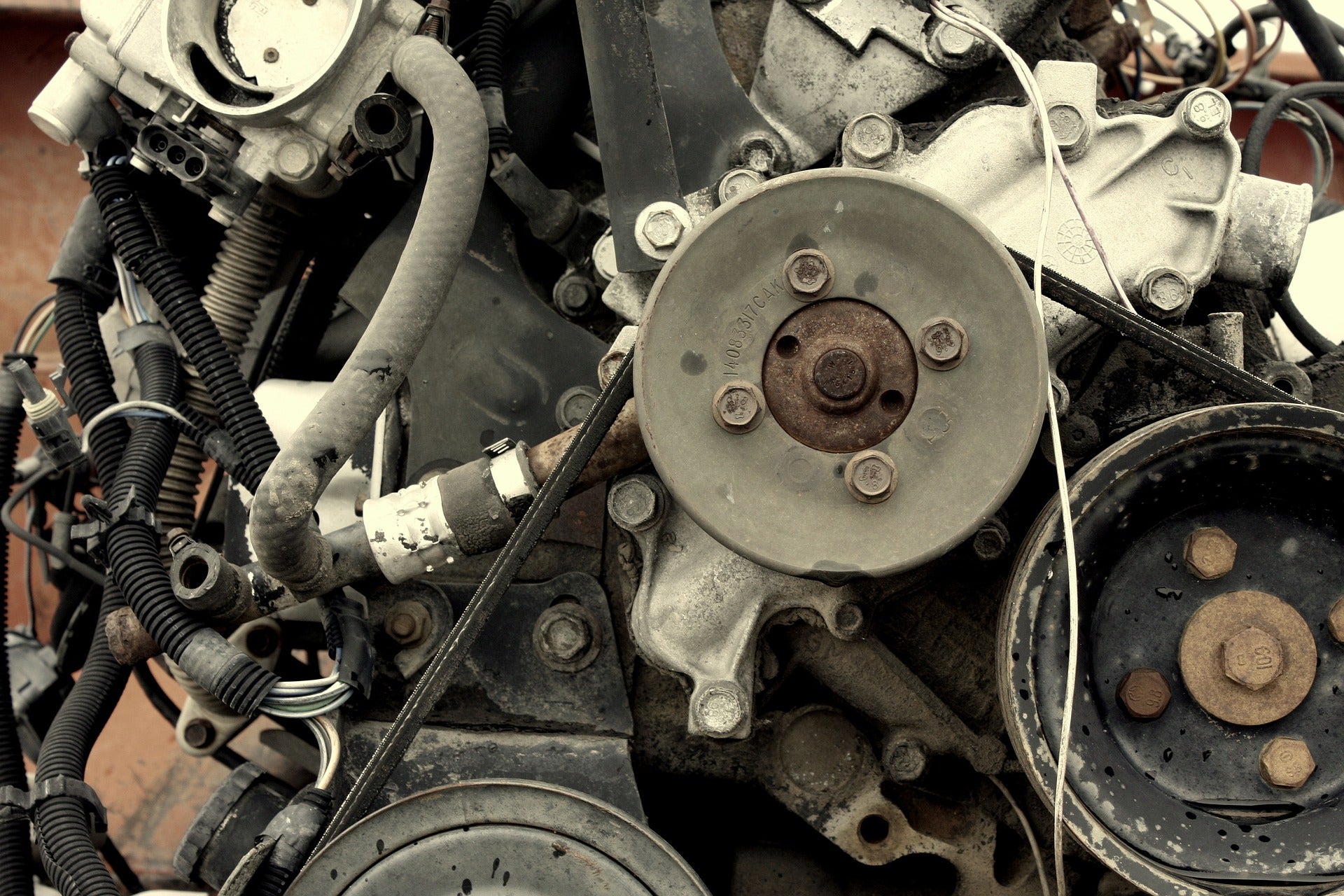
In order to keep your Buick well maintained, you'll occasionally need to replace your timing belt and your serpentine belt, the latter of which is also known as the car belt. Your timing belt synchronizes your camshaft and crankshaft, opening and closing valves as your engine runs. Your serpentine belt transfers power to various important engine accessories. Let's take a look at common indicators that you need to visit your local Buick dealer to replace a belt. Do You Need to Replace One of Your Car Belts? Serpentine Belt Trouble Without a fully functioning serpentine belt, your car will rapidly run into all sorts of problems. A serpentine belt weaves and winds between many shafts and pulleys, powering various accessories. Over time, these belts can occasionally loosen, slip off, or snap. Here are four main signs of serpentine belt trouble to look out for. Your Air Con Stops Working The serpentine belt powers the air conditioning compressor, which is vital for the air con to work. So if you find your cabin failing to cool down on a hot summer's day, your serpentine belt may well be the culprit. Your Electronics Falter Your car's battery is charged by the alternator, which in turn is powered by the engine via the serpentine belt. So if your belt slips or cracks, the battery will stop recharging while you're on the road and will swiftly die. If you notice various electronics failing, including your headlamps and engine starter, check your serpentine belt first of all. Your Power Steering Fails If you're driving the ever-popular 2022 Buick Enclave, or any other Buick model, you'll know how silky smooth the steering is. This superior handling is augmented by a very advanced power steering pump, which is kept functioning by the serpentine belt. So if your steering ever suddenly becomes heavier, your belt may have stopped doing its job. Your Engine's Overheating The coolant system of your Buick plays a vital role in keeping your engine from overheating. Coolant is pushed around the engine by the water pump, which is powered by the serpentine belt. So if you ever notice signs of overheating, such as ticking noises, a burning smell, or your temperature gauge shooting up, then your serpentine belt might be to blame. Timing Belt Problems Your timing belt plays the more limited but equally important role of ensuring the engine valves are opening and closing in harmony. Any timing belt fault will be immediately noticeable as your engine starts to malfunction. You might find your engine failing to start, or misfiring frequently when it does. You'll hear strange ticking noises and you might even find oil leaking from under your hood. You might also notice smoke pouring from your exhaust. If you notice any of these problems, have your timing belt checked by a trusted technician right away. How a Buick Dealer Inspects Your Belts A technician will check both belts carefully, looking for any sign of cracks or fraying along the edges. They'll use a belt wear gauge to measure the depth of the V-grooves that keep the belts gripping the pulleys. In the case of the timing belt, they'll also check the nuts and bolts that hold it in place, which can occasionally come loose over time. Have your serpentine and timing belt examined by experienced professionals today at Crain Buick GMC. We're the region's number one Buick GMC dealership, and we're dedicated to providing all of our customers with nothing short of outstanding service, whatever your vehicle needs may be. Image by wnk1029 from Pixabay

gmc wheel

Time for New Tires? Visit Your Buick and GMC Dealer

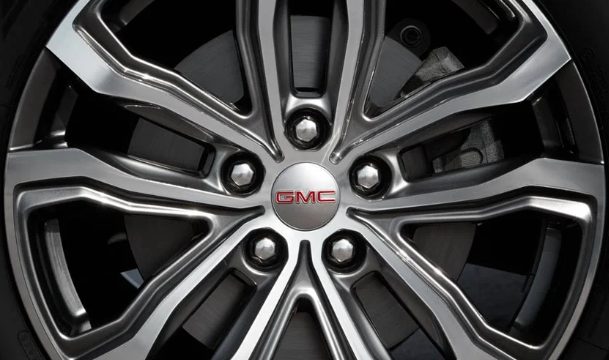
You wouldn't want the sterling safety features of your Buick Encore or GMC Terrain SLE to be hampered by poorly maintained tires. After five or six years, even the most well-maintained tires face the risk of blowing out or losing traction on the road. Damaged tires often need replacing far sooner than this. Here are seven clear indicators that you should head to your local Buick GMC dealer for a set of new tires. Time for New Tires? Visit Your Buick and GMC Dealer Inexplicable Air Loss Most punctures are dramatic and unmistakable, leaving you with no doubts that the tire needs replacing. But sometimes a tire can become punctured more subtly. As a result, a hidden crack or cut could be causing persistent air loss, which you might only notice when you check your tire pressure. Never ignore inexplicable air loss. The underinflation it causes will hamper your vehicle's handling and responsiveness. And even the smallest of punctures compromises the tire's structural integrity, putting it at risk of blowing out on the road. Embedded Objects One common cause of sneaky punctures is embedded objects in the tire rubber. If you ever notice a nail, a scrap of metal, or anything else dug into the tire, don't ignore it. The object might have gone deep enough to pierce the inner lining, in which case you'll need to have it removed and the tire repaired or replaced. Sidewall Cracks As a tire ages, it will inevitably develop a few hairline cracks in the sidewalls. This is a natural sign of the rubber breaking down and losing flexibility, caused by UV light, temperature fluctuations, salt, oils, and chemicals from the roads. Initially, these small, superficial cracks can be safely ignored. But if you notice them increasing in depth, length, and number, you're at risk of a sidewall blowout and the tire should be swapped out. Tread Cracks Cracks in your tire treads should be treated with more urgency than sidewall cracks. Tiny cracks deep in the tread voids might pose little threat but any larger, wider crack usually indicates some underlying structural problem, such as dry rot or trapped air under the tread. A tire damaged in this way puts you and your passengers at risk and needs to go. Deep Cuts Needless to say, if you notice any deep cuts in the rubber from objects on the road, your tire may be too damaged to continue using. This is especially the case if the cut is so deep that you can see the inner lining underneath. Blisters or Bubbles Tires can become damaged by scrapes against curbs or bumps over potholes. Sometimes the only sign of such damage is a blistering or bubbling of the outer rubber. This often means the inner lining has become damaged and air has escaped, becoming trapped under the outer layers. Unfortunately, this kind of damage has ruined the tire, which will need to be replaced. Diminished Tread Depth The sturdiest of tires often make it to the end of their lifespan without suffering any of the aforementioned damage. In this case, you'll most likely need to replace them when the tread depth nears 2/32 of an inch. This is the minimum legal tread depth in the US. A wary driver concerned about traction should consider swapping out their tires long before the tread depth becomes so shallow. This is especially the case during winter, when slippery roads require greater tread depth to maintain traction. During winter, it's not recommended to go below 5/32 of an inch. To have your tires inspected, rotated, or replaced by friendly, experienced professionals, visit Crain Buick GMC of Springdale. We're the region's number one dealership and our priority is to serve our customers with an outstanding, highly personalized service, whatever your vehicle requirements might be.

oil-3979023_1920

How Long Has It Been Since Your Last Buick Oil Change?

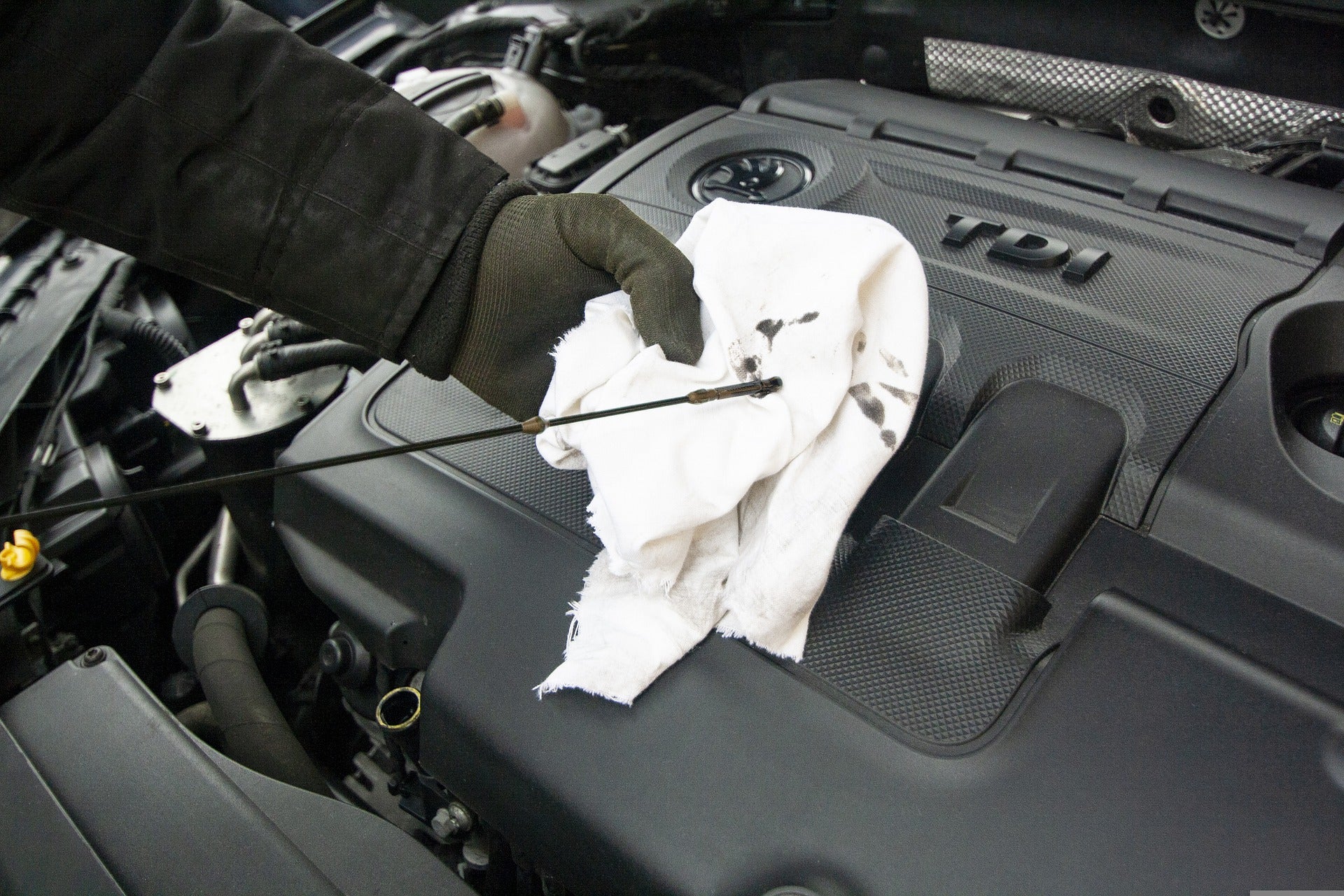
The oil in your Buick lubricates the moving components and ensures that your engine is clean, lubricated, and running efficiently. A regular Buick oil change from the qualified technicians at your Buick dealer will improve your vehicle's engine performance and fuel consumption, and your Buick will be on the road for longer. Advice From Your Buick Dealer: How Long Has It Been Since Your Last Buick Oil Change? The Importance of Oil and Filter Replacements An oil and filter replacement is one of the most critical maintenance services to ensure that your vehicle's engine performs optimally. The oil lubricates the engine and reduces heat and friction, ensuring that the components run smoothly. Over time the oil gets contaminated and breaks down. When engine oil is old and dirty, it can't perform the task of lubrication, protection, and cooling. The result is increased friction that causes wear, overheating and high fuel consumption. Regular oil and filter replacements at the factory-recommended intervals are crucial to prevent engine damage, increase fuel efficiency, and ensure optimal engine performance. Oil Replacement Intervals Generally, the recommended oil and filter replacement intervals for older vehicles are every 7,500 to 10,000 miles or every six months. However, newer Buick models have an Oil Life Monitoring System (OLMS) that continuously monitors your vehicle's speed, engine temperature, engine revolutions, and mileage to determine when an oil replacement is due. When the OLMS light goes on, it's time for an oil and filter replacement. Check your vehicle's owner's manual for the recommended oil and filter replacement intervals or speak to your Buick technician for assistance. The Correct Grade of Oil Using the correct oil with the proper grade and viscosity is as essential as regularly replacing the oil. We recommend full synthetic oil, including ACDelco Gold Conventional Oil, ACDelco dexos1 Full Synthetic, and Mobil 1 Full Synthetic Oil. These high-quality oils offer superior lubrication and engine protection. The oil information for your Buick is in your owner's manual, or ask your Buick technician to assist you with choosing the correct oil for your specific model and engine. Oil Replacement Services We offer expert oil and filter replacements at competitive prices performed by Buick-trained technicians. Our technicians know how crucial it is to regularly replace the oil and filter and use the correct oil grade to protect and lubricate your vehicle's engine. With every oil and filter replacement, our qualified Buick technicians will also perform a Multi-Point-Vehicle Inspection and a four-tire rotation. The technician will check every system and component to determine the condition and the maintenance required to keep your Buick performing optimally. Oil Replacement Specials We offer oil replacement packages to save you money on oil and filter replacements. To take advantage of our special deals, visit our website or speak to one of our service consultants about our money-saving specials. With expert oil and filter replacements performed by Buick-trained technicians and the correct grade of oil, your Buick's engine will run smoothly. Contact Crain Buick GMC of Springdale today and schedule an oil and filter replacement to ensure that your vehicle remains in tip-top running condition. Image by Skica911 from Pixabay

garden-670516_1920

3 of the Best Landmarks to Visit Near Springdale, AR

The city of Springdale, AR, is located in one of the most beautiful areas in the state, surrounded by national parks, nature reserves, and conservation areas. However, the city itself also has plenty of local attractions that attract visitors from all over the region. If you are planning a visit to Springdale with your friends or family, these are some of the landmarks you should check out. Fill up your tank, grab some snacks, and hit the road! 3 of the Best Landmarks to Visit Near Springdale, AR 1. Botanical Garden of the Ozarks Located a little under five miles south of downtown Springdale, the Botanical Garden of the Ozarks is an expansive nature reserve covering an area of over 40 acres. Inaugurated in 2007, this complex consists of 12 display gardens featuring different species of flora and fauna. If you are looking for a beautiful place to unwind and get away from the bustle of the city, the Botanical Garden of the Ozarks is always an excellent spot. Getting from downtown Springdale to the entrance of the Botanical Garden of the Ozarks takes about 10 minutes by car, heading along route AR-265. Receiving over 70,000 visitors each year, this place regularly hosts cultural events and celebrations that bring together residents of all over the region. The Botanical Garden of the Ozarks charges a $10 admission fee for adults aged 13 and over and $5 for children aged 4 – 12. 2. Shiloh Museum of Ozark History Established in 1968 after a purchase of Native American artifacts by the city of Springdale, the Shiloh Museum of Ozark History is one of the main attractions you can visit in the city center. Open Monday through Saturday between 10 am and 5 pm, this museum can be visited free of charge regardless of age, making it a great place to spend some quality time with your friends and family while learning more about the region's history. The Shiloh Museum of Ozark History is located in the downtown area of Springdale, making it easy to reach it from the town's historic district and other local attractions. Besides the permanent exhibitions, this museum also features a large research library, as well as the largest collection of historical images in the entire state of Arkansas. Since its inauguration, the place has won numerous awards from national and regional organizations. 3. Shiloh Historic District Listed on the National Registry of Historic Places since 1978, Shiloh Historic District is an area of downtown Springdale located right by the banks of Spring Creek. Featuring a collection of historic buildings of great significance for locals, this district was constructed around the 1870 Shiloh Church, considered the oldest surviving building in town. Not far from here, you will find the best restaurants and cafés that the city has to offer. If you are thinking of buying a new or used car to check out the best tourist attractions in Arkansas and beyond, stop by Crain Buick GMC of Springdale! Check out our inventory, talk to one of our agents, and find a car that suits your needs and budget. Image by Dar1930 from Pixabay

Buick Tire

Does Your Buick or GMC Car Need a Tire Rotation?

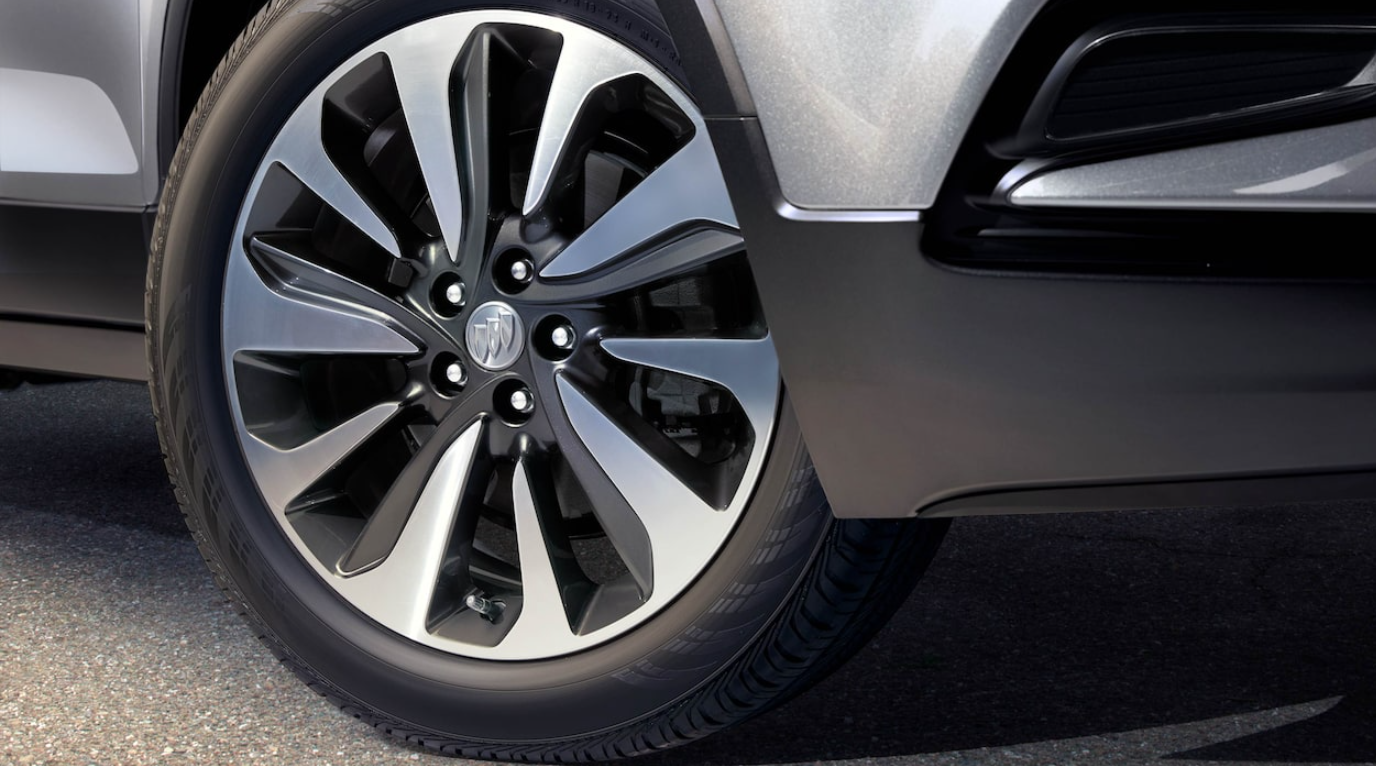
Periodical tire rotation is a fantastic way to keep your tires lasting longer and your handling optimized. If you're not yet convinced of the value of regular rotation, read the following five reasons why you should visit your local GMC dealer to have your tires swapped around. And if you're currently experiencing any of these problems, you might want to consider rotation today. Does Your Buick or GMC Car Need a Tire Rotation? Prevent Uneven Wear When left unattended, tires inevitably wear down unevenly. This is usually due to an excess of weight at the front of the car, and also extra pressure from the front or rear-wheel drives. Misaligned wheels or under-inflated tires can also lead to uneven wear. Regular rotation helps to spread out this tire wear evenly across all four tires, meaning the entire set lasts longer. If you currently have uneven tire wear, the rotation will help solve the problem for you. Save Money on Tires When the treads of a single tire wear down too thin, you'll need to replace all four tires. This is recommended by GMC, Buick, and most vehicle manufacturers, as well as the Tire Industry Association (TIA). The minimum tread depth by law is 2/32 of an inch. So when any one of your tires reaches close to that tread depth, you'll need a whole new set. The lifespan of tires can be anywhere from three to five years. So if you're allowing uneven tire wear to develop, then you might need to purchase tires every three years, rather than every five years. Over the lifespan of your car, that's a pretty difference in maintenance costs. Keep Handling Smooth One of the few things that can hinder the perfectly-smooth handling of a GMC or Buick is uneven tire wear. The reduced diameter of a tire with diminished treads causes it to spin faster than the others. This leads to poor handling, and can even cause wheel misalignment. If you're experiencing either of these problems, consider getting rotation today. Avoid Skids and Blowouts All it takes is one tire to lose traction on a patch of water to send you into a skid. If you allow a single tire or pair of tires to lose too much tread depth, then you're putting yourself at heightened risk of skids. The tires under the most pressure also tend to take more of a beating in terms of nicks, cracks, embedded objects, and blisters. When this kind of damage accumulates, it puts the tire at risk of a blowout. Regular rotation reduces the chances of this by spreading wear and tear across all four tires. Keep Your Warranty Valid Another financial reason to get regular rotation is simply that tire warranties usually require it. Check how often your warranty stipulates rotation, and stick to that schedule. If you don't, then in the rare event of a puncture, you might find repairs or replacements that aren't covered due to neglect. If you'd like your tires to be rotated today by certified professionals, pay a visit to Crain Buick GMC of Springdale. We're the number one Buick and GMC dealership in the region. Our friendly, knowledgeable staff are all dedicated to providing an exceptional experience to every customer who steps through our doors.

Contact Us

Fill out this form below and we'll contact you shortly
*Required Fields